
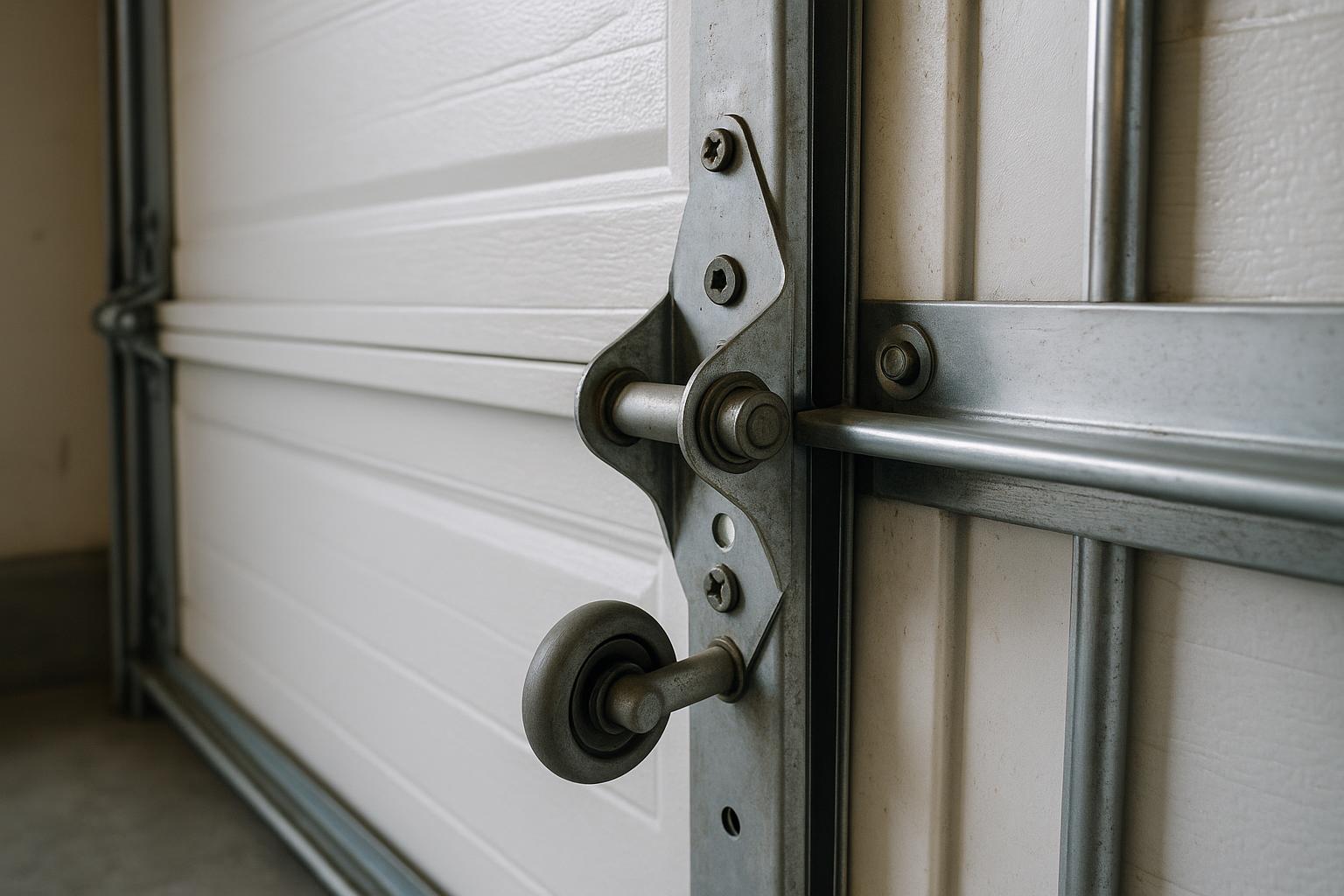
Your Garage Door Shouldn't Sound Like That
You press the button, and instead of a smooth, quiet operation, your garage door greets you with a symphony of grinding, squealing, or banging. If you're a homeowner in Clarksville, TN, you've probably experienced this at least once — especially during our temperature swings between summer heat and winter cold, which can take a toll on garage door hardware.
The good news is that not every strange noise means you need a full garage door replacement. The bad news? Ignoring those sounds can lead to bigger, more expensive problems down the road. Let's break down the most common garage door noises, what they mean, and what you should do about each one.
Squealing or Screeching Sounds
A high-pitched squeal when your garage door opens or closes is one of the most common complaints we hear from homeowners. This noise usually points to one of two issues:
- Lack of lubrication: The rollers, hinges, and tracks need regular lubrication to operate smoothly. Over time, the factory lubricant dries out, and metal-on-metal contact creates that unpleasant screech.
- Worn-out rollers: If your door uses steel rollers (which are standard on many older doors), they wear down over time and start grinding against the track. Nylon rollers are a quieter, longer-lasting alternative.
In many cases, applying a garage-door-specific lubricant (not WD-40, which is a solvent, not a lubricant) to the rollers, hinges, and springs can eliminate the squeal entirely. If the noise persists after lubrication, the rollers likely need to be replaced.
Grinding or Scraping Noises
A grinding sound is harder to ignore — and for good reason. This noise often indicates a more serious issue that needs prompt attention:
- Misaligned tracks: If the vertical or horizontal tracks have shifted even slightly, the door can scrape against them as it moves. You might also notice the door moving unevenly or getting stuck partway.
- Debris in the tracks: Dirt, leaves, small rocks, and even insects can accumulate in the tracks over time, especially here in Middle Tennessee where we get plenty of outdoor debris throughout the year.
- Worn gears in the opener: If the grinding seems to come from the ceiling-mounted opener unit rather than the door itself, the drive gear inside the opener may be stripped or wearing out.
You can visually inspect the tracks for obvious debris or misalignment. Cleaning the tracks with a damp cloth can help. However, if the tracks need to be realigned or the opener gears are failing, it's best to call a professional. Attempting to adjust tracks or disassemble an opener without experience can create safety hazards or cause further damage.
Loud Banging or Popping
A sudden bang or pop when the door moves is startling — and it can signal a problem with the torsion springs or panels:
- Spring tension issues: Torsion springs are under extreme tension. If a spring is starting to weaken or if the tension isn't properly balanced, you may hear popping or banging as the spring shifts during operation.
- Panel flex: On lighter or older doors, panels can flex slightly as the door changes direction between the vertical and curved sections of the track, producing a banging sound.
- Loose hardware: Nuts, bolts, and brackets can loosen over time due to the constant vibration of daily use. A loose hinge or bracket can cause a panel to shift and bang during movement.
We recommend checking for visibly loose bolts and tightening them with a socket wrench. But if you suspect the springs are involved, do not attempt to adjust them yourself. Garage door springs can cause serious injury if handled improperly. This is always a job for a trained technician.
Rattling or Vibrating
A persistent rattle during operation is usually less urgent but still worth addressing:
- Loose chain or belt: Chain-drive openers are naturally louder than belt-drive models, but a chain that's too loose will rattle excessively. Belt-drive openers can also develop slack over time.
- Loose mounting hardware: The opener itself is mounted to your garage ceiling with brackets and supports. If these loosen, the entire unit can vibrate during operation, amplifying the noise throughout your garage and even into adjacent rooms.
- Worn weather stripping: The rubber seal along the bottom of the door can harden and crack, causing it to vibrate or flap against the floor as the door moves.
Tightening the chain or belt tension is a relatively simple adjustment outlined in most opener manuals. Checking and tightening the mounting brackets is also straightforward. Replacing worn weather stripping is an inexpensive fix that also improves energy efficiency — something Clarksville homeowners appreciate when summer electricity bills climb.
When to Call a Professional
Some garage door noises are easy DIY fixes. A little lubrication or a tightened bolt can make a world of difference. But there are clear signs that it's time to bring in a professional:
- The noise is accompanied by the door moving unevenly, jerking, or getting stuck
- You notice a visible gap in the torsion spring (this means it's broken)
- The opener motor runs but the door doesn't move
- The door feels significantly heavier when you try to lift it manually
- You see frayed cables or bent track sections
Any of these symptoms combined with unusual noise means something mechanical has failed or is about to. Continuing to operate the door in this condition risks further damage to the door, the opener, or — most importantly — someone's safety.
Preventive Maintenance Goes a Long Way
Most noisy garage door problems are preventable with regular maintenance. We recommend a basic tune-up at least once a year that includes lubricating all moving parts, tightening hardware, inspecting springs and cables, testing the door balance, and checking the opener's safety features.
For homeowners in Clarksville and surrounding areas like Fort Campbell, Springfield, and Ashland City, scheduling a maintenance visit before the extreme temperatures of summer or winter arrive can help you avoid unexpected breakdowns during the worst possible times.
Don't Ignore the Warning Signs
Your garage door is the largest moving component of your home, and it operates under significant mechanical stress every single day. Strange noises are your door's way of telling you something needs attention. Addressing the issue early almost always costs less than waiting until something breaks completely.
At Clarksville Overhead Door Co, we diagnose and fix noisy garage doors every week. Whether it's a simple lubrication issue or a failing opener, we'll identify the problem, explain your options, and get your door running quietly again. Give us a call or reach out online to schedule a service visit — we show up when we say we will.